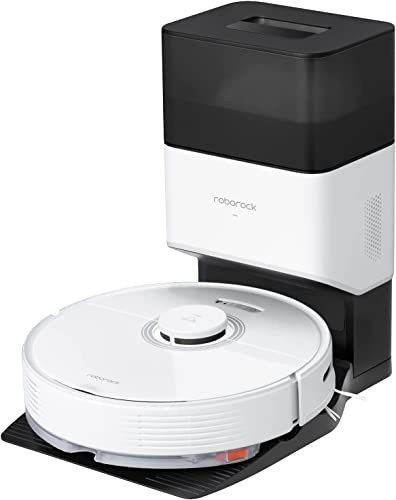
The Rise of Self-Cleaning Vacuum Cleaners: Revolutionizing Home Cleaning
As innovation continues to evolve, so do the tools offered for keeping our homes tidy. The traditional vacuum, once a staple in home tasks, has seen exceptional advancements, most especially the development of self-cleaning vacuum cleaners. These innovative gadgets not just simplify the cleaning process but likewise boost efficiency and effectiveness. This post explores the features, advantages, and considerations of self-cleaning vacuum, together with a comparison of popular models and responses to typical concerns.
What is a Self-Cleaning Vacuum Cleaner?
A self-cleaning vacuum cleaner is designed to clean its brushes, filters, and other parts autonomously, reducing the manual upkeep required by users. This development permits constant suction performance, extended life-span of vacuum elements, and enhanced benefit for users, making it an attractive alternative for busy individuals and families.
Secret Features of Self-Cleaning Vacuum Cleaners
- Automatic Brush Cleaning: Self-cleaning vacuums frequently feature a system that eliminates hair and particles from brushes throughout or after cleaning cycles.
- Filter Maintenance: Some designs come geared up with self-cleaning filters that eliminate dust and avoid blocking, ensuring optimum efficiency.
- Self-Emptying Bins: Advanced designs can empty their dustbins into a larger container automatically, needing less regular handbook clearing.
- Smart Technology Integration: Many self-cleaning vacuums are geared up with Wi-Fi connectivity and can be controlled by means of smart device apps or voice-activated home systems.
- Navigation and Mapping: Self-cleaning vacuum cleaners often use innovative sensors and video cameras to browse the home, making sure thorough cleaning without getting stuck.
Advantages of Self-Cleaning Vacuum Cleaners
- Time-Saving Convenience: With self-cleaning features, users invest less time maintaining their vacuum. This offers them more time to concentrate on other jobs or delight in pastime.
- Boosted Performance: Regular self-cleaning assists keep suction power and cleaning efficiency, resulting in a cleaner home.
- Less Manual Labor: The automation of cleaning jobs relieves the physical strain related to vacuum upkeep, attracting seniors or those with mobility issues.
- Improved Indoor Air Quality: Regular upkeep of filters decreases irritants in the home, contributing to a much healthier living environment.
- Longer Lifespan: By avoiding clogging and buildup of particles, self-cleaning vacuums can extend the longevity of their elements.
Considerations When Choosing a Self-Cleaning Vacuum Cleaner
While self-cleaning vacuum supply lots of benefits, prospective buyers must weigh a number of factors before making a decision:
- Price Range: Self-cleaning vacuums usually come at a premium price. Potential buyers should identify their budget and examine the worth of features used.
- Home Size and Layout: Larger homes might benefit from designs with sophisticated navigation systems, making sure comprehensive cleaning protection, while smaller homes may require less sophisticated systems.
- Type of Flooring: Different models are created for various surface areas (e.g., carpets, hardwood, tile). Guarantee the vacuum selected is suitable for the home's floor covering types.
- Upkeep Costs: Although self-cleaning vacuums minimize manual upkeep, they might have higher long-lasting upkeep costs due to specialized components and replacement parts.
- Brand Name Reputation and Warranty: Researching dependable brand names and comprehending warranty terms can secure the purchaser's financial investment.
Comparison of Popular Self-Cleaning Vacuum Cleaners
Below is a comparison table showcasing some of the leading self-cleaning vacuum available in the market today:
| Model | Self-Cleaning Feature | Smart Connectivity | Battery Life | Typical Price |
|---|---|---|---|---|
| Roborock S7 | Yes | Yes | Up to 180 min | ₤ 649 |
| iRobot Roomba s9+ | Yes | Yes | Up to 120 minutes | ₤ 999 |
| Shark IQ Robot Vacuum | Yes | Yes | Approximately 90 min | ₤ 499 |
| Eufy RoboVac L70 Hybrid | Yes | Yes | Approximately 140 min | ₤ 599 |
| Ecovacs Deebot T8 | Yes | Yes | Up to 180 min | ₤ 799 |
Often Asked Questions (FAQs)
How does a self-cleaning vacuum cleaner work?
A self-cleaning vacuum makes use of brushes and self-cleaning mechanisms that eliminate hair and debris automatically. Some models have self-emptying capabilities that transfer dirt from the vacuum's dustbin to a bigger container.
What upkeep is still required with a self-cleaning vacuum?
While self-cleaning vacuums considerably minimize maintenance tasks, users ought to still regularly look for blockages, tidy sensors, and replace filters as recommended by the maker.
Are self-cleaning vacuum cleaners ideal for family pet owners?
Yes! Numerous self-cleaning vacuum cleaners are particularly created to manage animal hair, and their self-cleaning brushes help in reducing tangles and clogs triggered by fur.
Can self-cleaning vacuum cleaners clean carpets and hard floors?
A lot of self-cleaning vacuum are flexible and can effectively clean numerous surfaces, including carpets, hardwood, and tile. However, it's advisable to check the requirements of specific designs.
How typically should I run my self-cleaning vacuum?
The frequency of usage depends upon your household needs. For Good Robot Vacuum with pets or kids, daily vacuuming may be advantageous, while less-trafficked areas might just require weekly cleaning.
The intro of self-cleaning vacuum indicates a transformative shift in home cleaning techniques, enhancing both efficiency and benefit. As innovation continues to advance, these vacuum promise to make our lives much easier while guaranteeing that our homes stay clean. By thinking about factors like price, features, and upkeep, consumers can select a self-cleaning vacuum that best fulfills their requirements, eventually elevating their cleaning experience. As more people acknowledge the value fundamental in these devices, the self-cleaning vacuum is bound to end up being a household need in the modern home.